
Animals Made for the Ocean
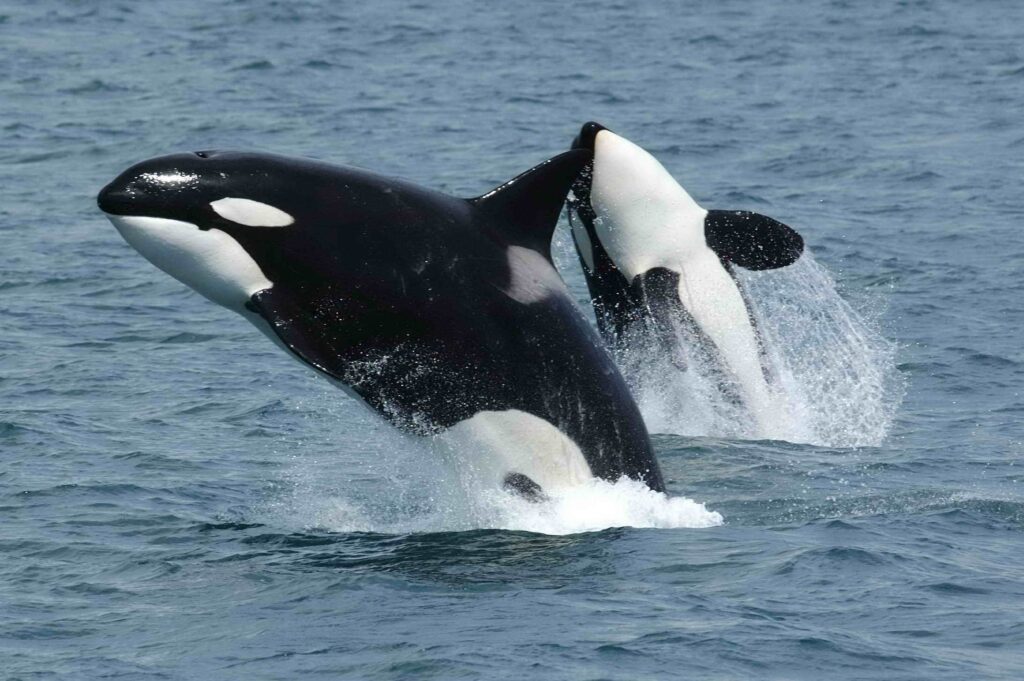
Dolphins, orcas, and other cetaceans are highly social mammals, endowed with advanced cognitive abilities and complex communication systems. In the wild, they travel vast distances every day, live in stable groups, and interact within a three-dimensional environment rich in acoustic, spatial, and social stimuli.
These characteristics are not secondary: continuous movement, social complexity, and environmental variability are integral parts of their ecology and overall well-being.
The Difference Between Ocean and Tank
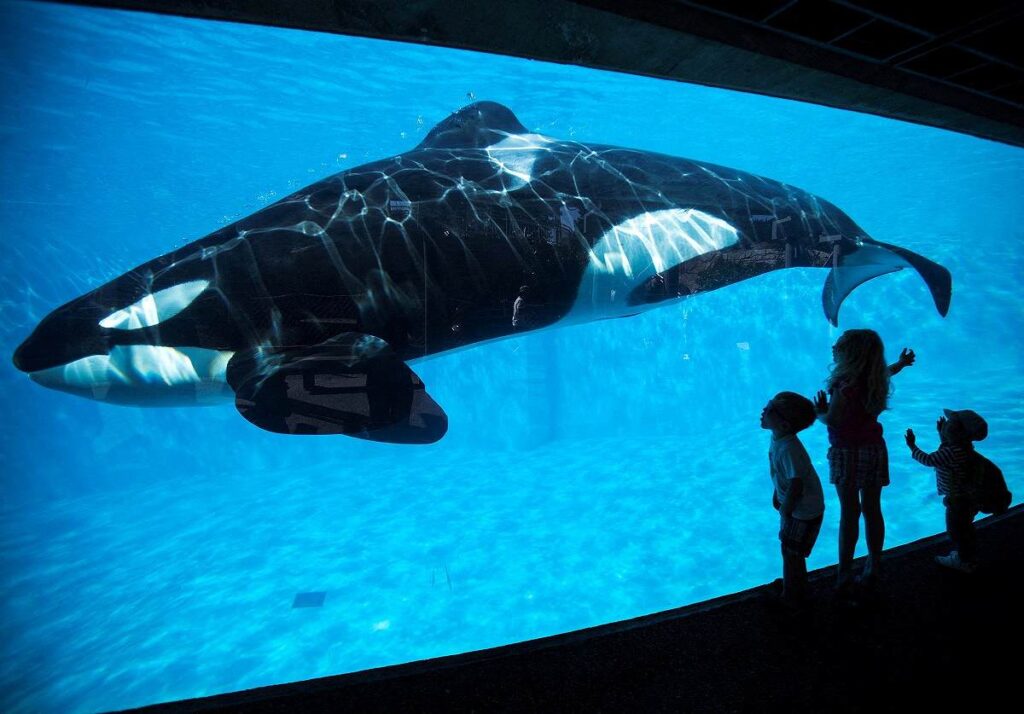
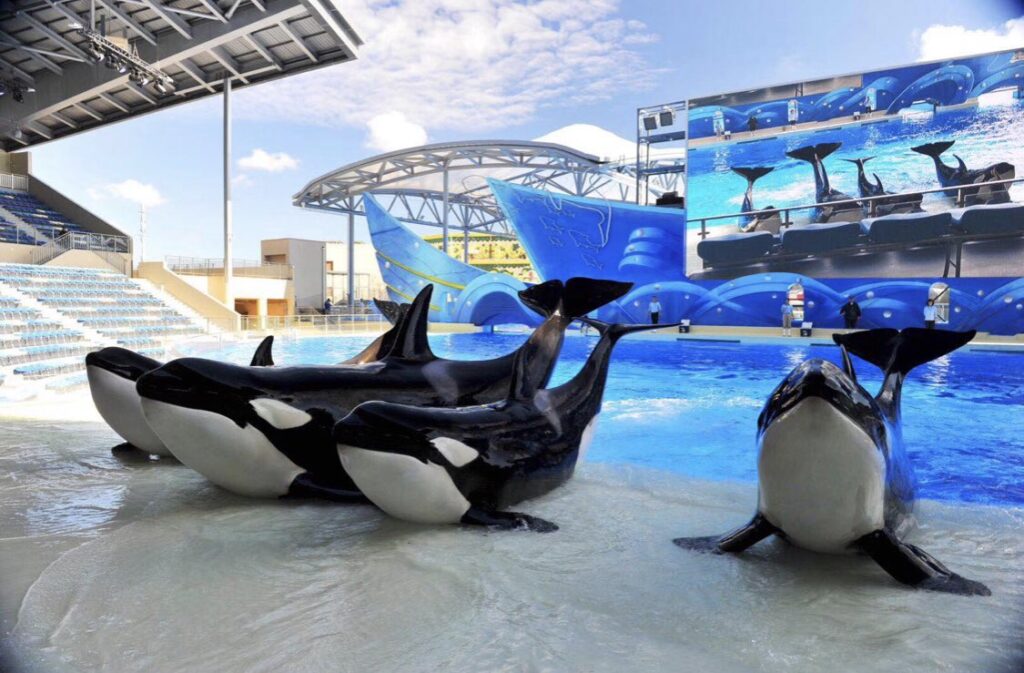
In captivity, this complexity is inevitably reduced. Even when large, tanks remain extremely limited compared to the natural range of these species. The environment is controlled and predictable, with reduced stimuli and repetitive routines.
Social groups are determined by management needs, while interaction with humans becomes part of daily life.
This does not necessarily mean that all facilities lack care or expertise, but it highlights a structural limitation: a human-made environment can hardly replicate the ecological complexity of the ocean.
Well-being Is Not Just Survival
In recent years, research has increasingly focused on a crucial aspect: not only how long animals live, but under what conditions.
Scientific literature on cetacean behavior suggests that limited environments, reduced environmental complexity, and unnatural social structures can be associated with chronic stress, repetitive behaviors, and health issues.
The evaluation of such facilities must therefore consider not only animal longevity, but the overall quality of their lives.
Kshamenk: When a Case Makes the Problem Visible
In 2025, Kshamenk—the orca who lived for over thirty years at Mundo Marino in San Clemente del Tuyú, Argentina—died.
His story attracted international attention because it concretely illustrated the long-term confinement of a cetacean in an artificial environment and, for extended periods, without other individuals of the same species.
Kshamenk makes visible the contrast between two vastly different scales: on one side, the ecology of an orca—an animal that in the wild travels great distances, lives in complex social groups, and navigates a dynamic ocean environment; on the other, the limited space of a man-made tank.
This contrast raises a broader question: to what extent can an artificial environment meet the biological, behavioral, and social needs of a highly mobile oceanic species?
Here lies a critical issue: long-term management. A cetacean that has spent years or decades in captivity can rarely be released back into the wild. It may no longer be able to hunt independently, recognize threats, or reintegrate into natural groups.
As a result, animals like Kshamenk remain inevitably dependent on the facilities that house them. Human responsibility towards them extends throughout their entire lives, requiring a stronger commitment to ensuring adequate conditions and sustainable long-term solutions.
Education, Research, and Possible Alternatives
Dolphinariums are often presented as tools for education and scientific research. In the past, in some cases, they have contributed to our understanding of cetacean physiology and behavior, as well as to raising public awareness.
Today, however, alternative approaches are increasingly widespread: responsible wildlife observation, non-invasive research, citizen science programs, and, above all, marine sanctuaries—protected coastal areas designed to host cetaceans from captivity in more natural environmental conditions.
These solutions do not represent a full reintroduction into the wild, but they offer a potential intermediate model to ensure conditions more aligned with the biological needs of these species.
A Question That Concerns Us All
Stories like Kshamenk’s remind us that this is not only about entertainment or education, but about long-term responsibility.
Protecting the ocean also means reflecting on the relationship we build with the animals that inhabit it. Only from this awareness can we begin to create a more balanced relationship between humans and the ocean.
